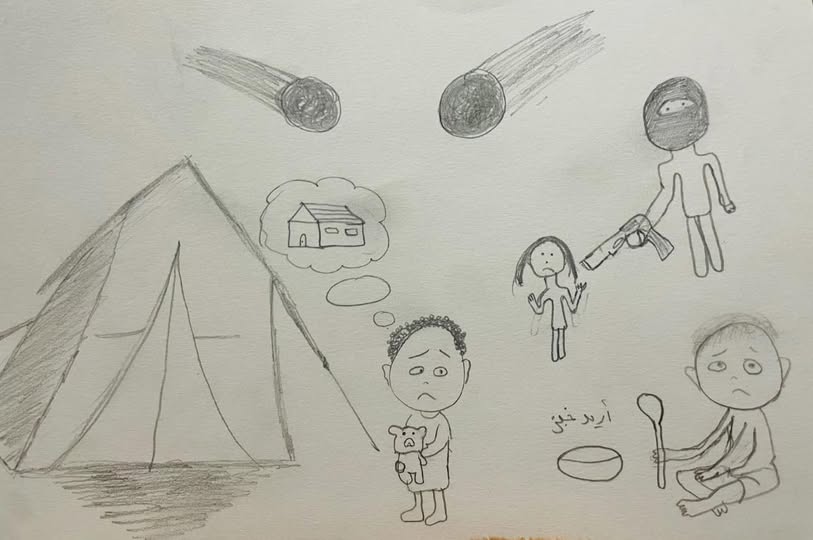
تدهور حماية الطفولة والتعليم تحت وطأة العسكره
يشهد النظام الدولي لحماية الطفل انهياراً هيكلياً متسارعاً؛ ففي عام 2024 تم التحقق من 41,370 انتهاكاً جسيماً ضد الأطفال بزيادة 25% عن عام 2023، ، بينما يشكل الأطفال 40% من النازحين قسراً. وتتفاقم الأزمة مع وجود 19 مليون طفل خارج المدرسة في السودان و18 مليون في نيجيريا، إضافة إلى حالة الطوارئ التي يعيشها الملايين في أفغانستان بسبب العزلة والانهيار الاقتصادي. وفي ظل زيادة الإنفاق العسكري بنسبة 10% سنوياً، تبرز ضرورة وقفة أخلاقية لتحويل الموارد من ترسانات الأسلحة إلى التعليم وبناء عقول الأجيال القادمة
أزمات النزوح والمجاعات وحروب الاستنزاف
بحلول منتصف 2025، وصل عدد المشردين إلى 117.3 مليون شخص (1 من كل 70 شخصاً عالمياً). ويشهد العالم لأول مرة مجاعتين متزامنتين في غزة والسودان (مخيم زمزم)، حيث تحرك النزاعات 69% من حالات انعدام الأمن الغذائي، ما يترك 219 مليون شخص في جوع شديد. بالتوازي، تظل الحرب في أوكرانيا النزاع الأكثر دموية، حيث سجلت في 2024 وحده حوالي 76,000 حالة وفاة مرتبطة بالمعارك، وهو رقم تضاعف مقارنة بالأعوام السابق.
تحول طبيعة الصراعات وتحديات الهوية والصمود
دخلت الحروب عصر الطائرات المسيّرة التي أصبحت سلاحاً فتاكاً في السودان واليمن ومنطقة الساحل الأفريقي، ما جعل الإصابات الانفجارية تحدياً طبياً رئيسياً. ومع تزايد أعداد اللاجئين بلا هوية، تبرز الحاجة إلى برامج دمج دولية وقوانين تجرّم استخدام الجوع كسلاح، إضافةً إلى اعتبار الدعم النفسي أولوية وطنية والاستثمار في الكوادر المحلية وقطاع الصحة بدلاً من التسلّح، لمنع تحول أجيال الصراعات إلى بؤر عنف مستقبلية
استغلال الأطفال في النزاعات وشبكات النفوذ:
تؤكد تقارير United Nations استخدام الأطفال في النزاعات المسلحة عبر تجنيدهم أو الاتجار بأعضائهم أو تعريضهم للعنف الجنسي واستغلالهم نتيجة الفقر والنزوح وفقدان الحماية، ما يشكل انتهاكاً جسيماً لحقوقهم في الحياة والأمان الجسدي. وتُعد هذه الأفعال جرائم حرب تستوجب تفعيل آليات المحاسبة الدولية لإنهاء الإفلات من العقاب وحماية الطفولة من الاستغلال العسكري والمادي
تيا أبو غانم & كرم عُلبي
Deterioration of Child Protection and Education Under Militarization
The international child‑protection system is witnessing a rapidly accelerating structural collapse. In 2024, 41,370 grave violations against children were verified — a 25% increase compared to 2023 — while children constitute 40% of forcibly displaced people. The crisis is worsening with 19 million children out of school in Sudan and 18 million in Nigeria, in addition to the state of emergency faced by millions in Afghanistan due to isolation and economic collapse. With military spending rising by 10% annually, there is an urgent ethical need to redirect resources from weapon stockpiles to education and the development of the minds of future generations.
For the first time, the world is witnessing two simultaneous famines, in Gaza and Sudan (Zamzam Camp). Conflicts drive 69% of severe food‑insecurity cases, leaving 219 million people in extreme hunger. At the same time, the war in Ukraine remains the deadliest conflict, with around 76,000 battle‑related deaths recorded in 2024 alone — a number that has doubled compared to previous years.
Changing Nature of Conflicts and Challenges of Identity and Resilience
Wars have entered the era of drones, which have become lethal weapons in Sudan, Yemen, and the Sahel region, making explosive injuries a major medical challenge.
With the rising number of refugees without identification, there is a need for international integration programs and laws that criminalize the use of hunger as a weapon.
Additionally, psychological support must be considered a national priority, and investment should be made in local expertise and the health sector instead of militarization — to prevent conflict‑affected generations from becoming future centers of violence.
Exploitation of Children in Conflicts and Power Networks
Reports by the United Nations confirm the use of children in armed conflicts through recruitment, organ trafficking, exposure to sexual violence, and exploitation resulting from poverty, displacement, and lack of protection.
These acts constitute severe violations of children’s rights to life and physical safety and are considered war crimes, requiring the activation of international accountability mechanisms to end impunity and protect childhood from military and economic exploitation.
To all who believe that every human being has the right to a dignified life…
First Name: Tia and Karam
Age: 16
Country: Lebanon
Type: Messages
After being officially informed by DCI/CCN Lebanon of our participation in this initiative, titled Children in Armed Conflict, we moved swiftly to contribute, Me Tia abo Ghanem ( Head of Regional Advisory Council and Karam Olabi ( Chairman of Advisory committee) driven by two core reasons.
First, because we ourselves are children of conflict—this experience has shaped us, and the scars of war remain present in parts of our country to this day. Second, to convey to the world the brutal reality of this experience through evidence, numbers, and undeniable facts, in the hope that humanity may finally grasp a simple truth: children are never asked for their consent in wars, yet they are always the first and most vulnerable victims.
Kindly check our written message below and find the attachment of the paint that explains all we mentioned in the written text.